What Is a Home Inspection? A Guide for Findlay & Northwest Ohio Homebuyers
By Joseph Kelley · July 31, 2026 · 4 min read
Walking through a charming older neighborhood in Findlay or looking at a newly built duplex in Wood County, it is easy to get caught up in the visual appeal of a property. The kitchen countertops might be pristine, and the backyard might be perfect for summer gatherings. However, as a professional home inspector, my job is to help you look past the cosmetic surface.
At Kelley Property Inspections, I often sit down with clients before we start the walk-through to set expectations. One of the most common questions I hear is, "What exactly are we looking for?" It is a simple question, but the answer is nuanced. Understanding what a home inspection is—and just as importantly, what it is not—is the first step in making one of the largest financial decisions of your life with confidence. We want to ensure you know the true condition of your property in Hancock County and the surrounding areas before you sign on the dotted line.
The Visual Exam: What We Actually Do
At its core, a standard home inspection is a non-invasive, visual examination of the physical structure and major systems of a home. Whether it is a single-family home in Seneca County or a manufactured home in Ottawa County, the process remains focused on observing the current condition of accessible components.
During a typical Single Family or Duplex Inspection, we assess:
- Roofing: Checking for missing shingles, damaged flashing, or signs of aging.
- Exterior: Looking at siding, trim, and drainage to ensure water is being directed away from the home.
- Structure: Evaluating the foundation, framing, and visible support components.
- Systems: Inspecting the electrical panel, plumbing fixtures, HVAC equipment, and water heater.
We use tools like moisture meters and thermal imaging cameras to identify issues that the naked eye might miss, such as hidden leaks or insulation gaps. However, it is crucial to remember that we are inspecting what is visible and accessible. We do not move furniture, stored personal items, or cut into walls to see behind the drywall.

What a Home Inspection Is Not
There is a common misconception that a home inspection is a "pass/fail" test or a verification that the home meets every single current building code. This is not the case. Building codes change frequently, and an older home in Sandusky County was likely built to the standards of the time it was constructed, not today's standards.
A home inspection is not a code compliance inspection. We identify safety hazards and major defects, but we do not enforce local ordinances. Furthermore, an inspection is not an appraisal; we do not determine the market value of the property, nor do we tell you if the home is a "good deal."
It is also not a prediction of the future. If your furnace is working perfectly on the day of the inspection, I cannot guarantee it will not break down next month. We report on the condition at the time of the inspection. This is why we treat every inspection as a snapshot in time, giving you the data you need to make an informed decision rather than trying to predict the lifespan of every mechanical component.
Beyond the Basics: Specialized Services
While a standard inspection covers the major systems, there are specific issues that require specialized testing. These are not included in a general home inspection but are vital for a complete picture in certain areas of Northwest Ohio.
For example, many of our clients in rural parts of Putnam and Allen County rely on well water. A standard inspection does not test water quality. However, we offer a Basic Water Test for E. coli and Coliform, as well as more comprehensive testing that includes Nitrates, Nitrites, and Lead. Knowing your water is safe is a separate but essential step.
Similarly, radon is a colorless, odorless gas that is prevalent in Ohio soil. A standard visual inspection cannot detect radon. We offer dedicated Radon Inspections to monitor radon levels over a specific period. Other specialized services include Mold Testing and Sewer Scope Video inspections, which use cameras to look inside the sewer lines for blockages or breaks—something we cannot see from the surface.

The Limits of Non-Invasive Testing
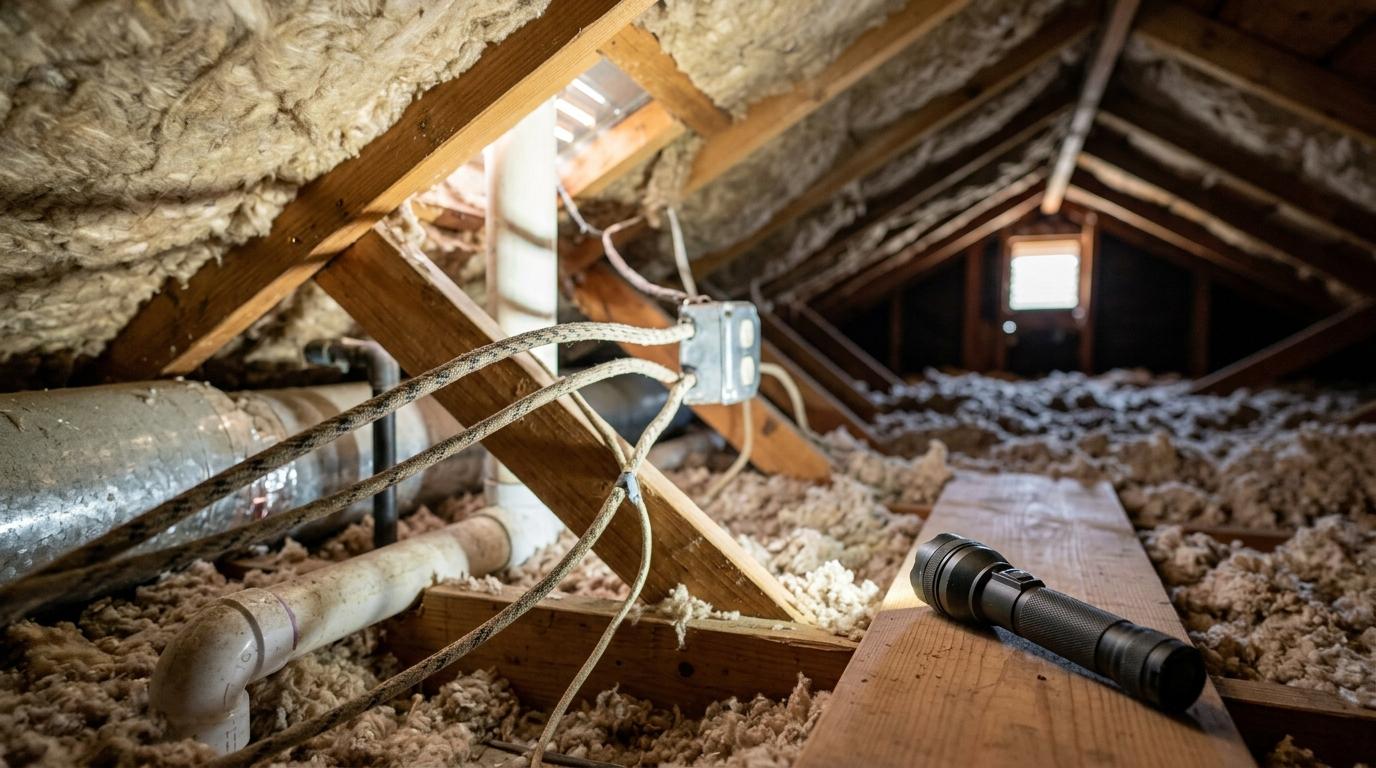
I often tell clients that a home inspection is limited by what is accessible. We cannot see through concrete or behind finished walls. If a seller has stacked boxes against the electrical panel in a garage in Fulton County, or if the attic access is sealed shut, we will note that we could not inspect those areas. We do not put ourselves or the property at risk to access unsafe spaces.
Additionally, we are not specialists in every trade. If we find a significant issue with the roof structure, we will recommend a licensed structural engineer. If we see evidence of termite damage, we will suggest a pest control expert. Our role is to act as a general practitioner, pointing out symptoms and recommending you see the right specialist for a cure.
This approach ensures you get honest, accurate information without overstepping our expertise. It is about protecting your investment and your safety by knowing when to bring in extra help.
Buying a home is a journey, and understanding the condition of the property is a pivotal part of that process. Whether you are buying your first home in Findlay or a commercial property in Wyandot County, having a clear, unbiased report allows you to move forward with your eyes open.
At Kelley Property Inspections, we are committed to walking you through the property and answering your questions every step of the way. If you are ready to schedule an inspection or just want to discuss your specific needs, please reach out to us. We are here to help you make the best decision for your future.