Why Does My Home Inspection Report Have Limitations? An Inspector Explains...
By Joseph Kelley · November 9, 2026 · 5 min read
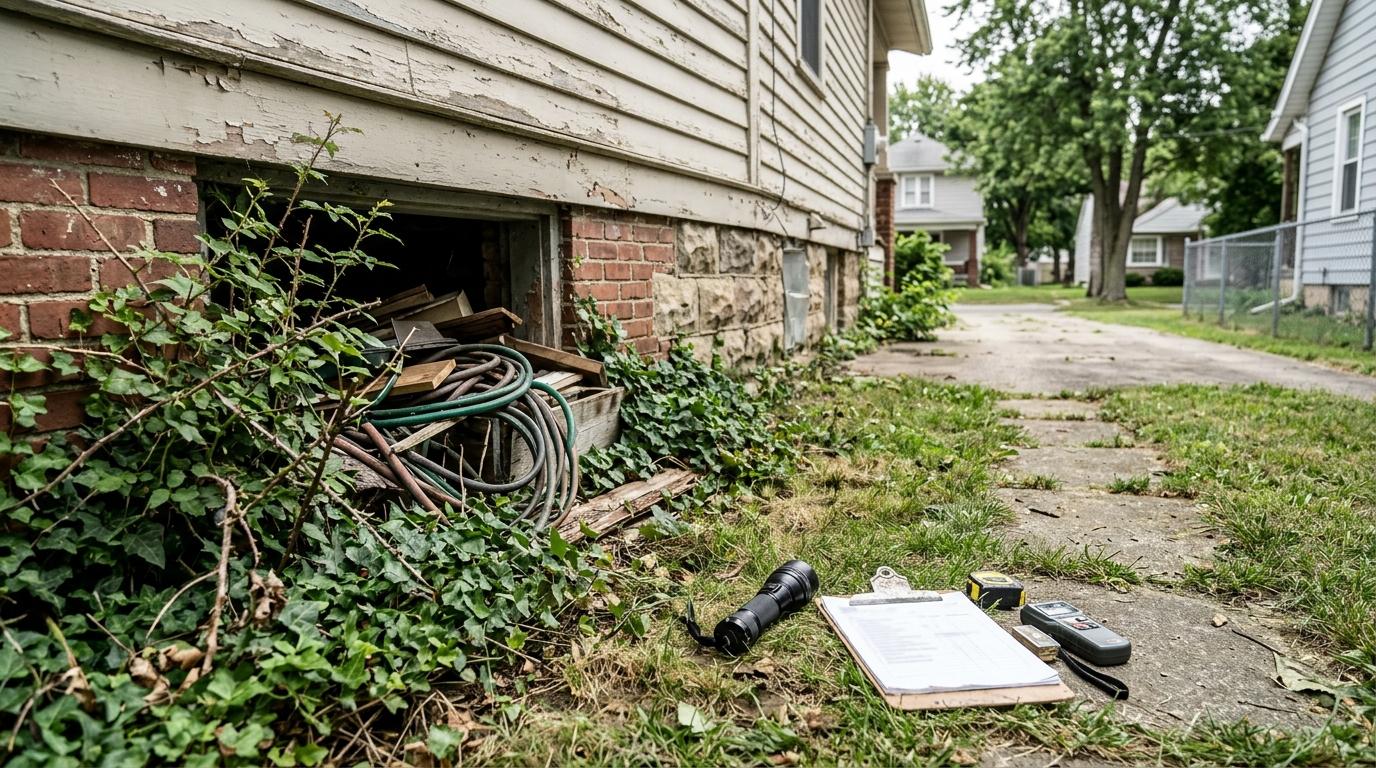
You just got your inspection report back on a house in Fostoria, and near the end there's a section titled something like "Limitations and Exclusions." Maybe it says the inspector couldn't access the crawlspace, couldn't evaluate the furnace because it was shut down, or couldn't see behind finished basement walls. If that caught you off guard, you're not alone — it's one of the most common questions we get at Kelley Property Inspections.
The short answer: a home inspection is a visual, non-invasive evaluation of the home's condition on the day of the inspection. It is not a warranty, an insurance policy, or a guarantee that nothing will ever go wrong. Those limitations aren't fine print designed to protect the inspector — they're an honest description of what any qualified inspector can and cannot see. Understanding them actually helps you make a smarter decision about the house you're buying.
What "Limitations" Actually Means in Your Report
When Joseph Kelley inspects a home in Seneca County or anywhere across our service area, the goal is to observe and report on the visible, readily accessible systems and components of the house — roof, foundation, structure, electrical, plumbing, HVAC, attic, and more. What we can't do is take the house apart.
That means limitations show up in a few predictable ways:
- Concealed areas. Insulation, finished walls, ceilings, and flooring hide what's behind them. We can note stains, cracks, or moisture clues, but we can't confirm what's happening inside a wall cavity.
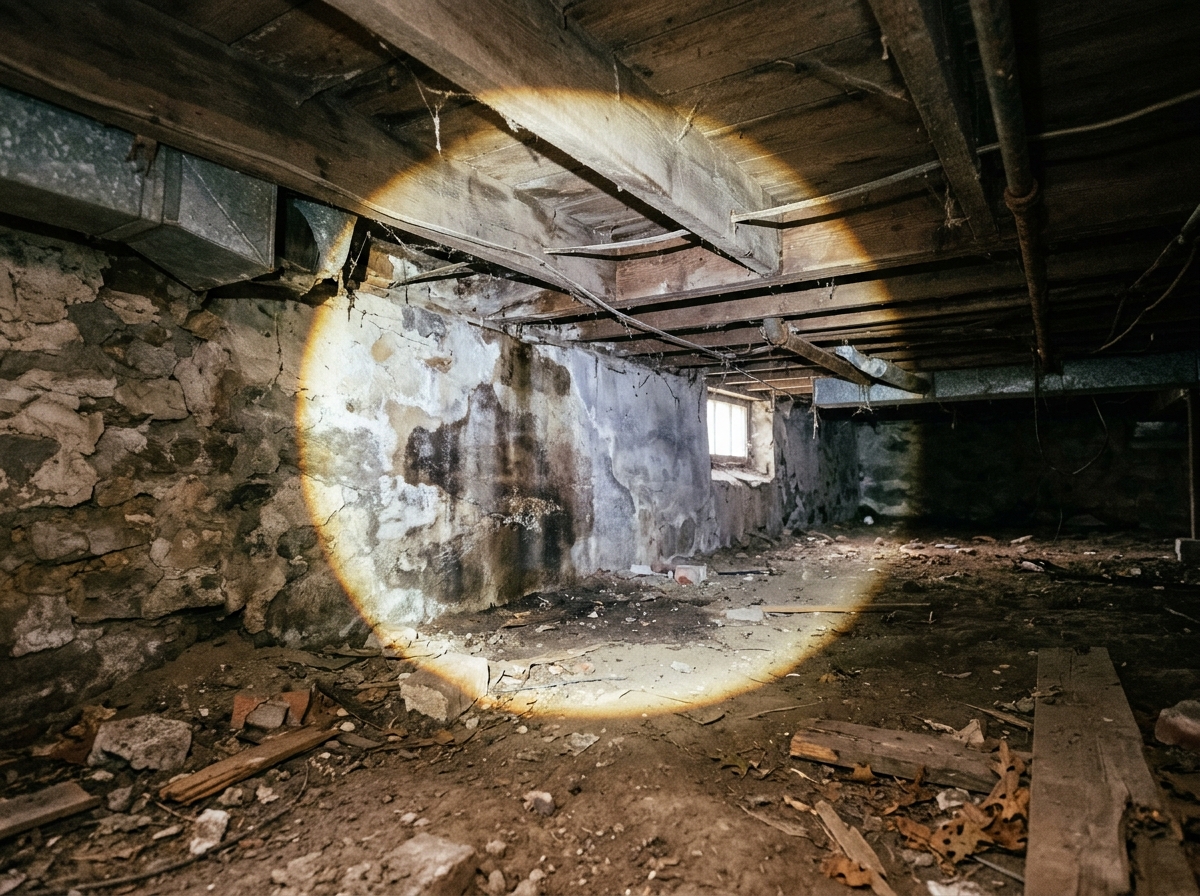
- Inaccessible spaces. A crawlspace with a foot of standing water, an attic with no safe walkway, or a roof that's too steep or wet to walk are all legitimately off-limits. We'll document why.
- Systems that are off. If the seller has the gas shut off or the A/C isn't running because it's February, we can't fully test it. We'll say so.
- Weather and season. In northwest Ohio, snow cover hides roof shingles and grading. Frozen ground limits what we can learn about drainage. A summer inspection won't reveal how a driveway handles a January thaw.
None of this is a reflection of a rushed or careless inspection. It's the honest boundary of what a visual evaluation can deliver.
Why We Can't Just "Take a Look Anyway"
Buyers sometimes ask why we don't just pull back a little insulation, cut a small hole in drywall, or move a heavy stored item to get a better look. There are real reasons we don't:
- It's not our house (yet). Until closing, the property belongs to the seller. An inspector who damages or alters the home — even with good intentions — creates a liability problem for everyone involved.
- Safety. Crawlspaces with sewage, attics with questionable wiring, and roofs with loose shingles are genuinely dangerous. No report is worth an injury.
- It wouldn't be reliable anyway. A peek behind one section of drywall tells you almost nothing about the rest of the wall. Half-information can be worse than no information.
What we can do is recommend next steps. If something looks concerning — say, a moisture stain on a ceiling in a home near the Sandusky River — we may suggest a specialist evaluate further. That's not a punt; it's the correct professional handoff.
How Limitations Vary Across Our Service Area
Not every limitation is the same, and they often depend on where the home is. A few examples from around the region:
- Older housing stock in Fostoria and Findlay. Homes built in the early 1900s often have finished basements, added-on rooms, and layers of renovation. Those layers hide plumbing, wiring, and structural changes that no visual inspection can fully unwind.
- Lakefront and near-lake properties in Ottawa and Erie Counties. Homes near Lake Erie deal with high water tables, sump systems, and seasonal moisture. We can test what's visible, but how a basement behaves during a spring storm isn't something any inspector can simulate.
- Rural properties in Hancock, Wyandot, and Putnam Counties. Wells, septic systems, and outbuildings each have their own scope. A standard home inspection doesn't evaluate septic function or well yield — those are separate services.
- Manufactured homes. These have unique framing, foundation, and utility setups. We inspect them, but certain components — like the condition of the marriage line or underbelly — may be inaccessible.
This is exactly why we offer add-on services like radon testing, mold testing, water testing (E. coli, coliform, nitrates, nitrites, and lead), and sewer scope video. Each one expands what we can actually see and tell you about.
What You Should Do With the Limitations Section
Don't skip it. Read it carefully and use it as a conversation starter, not a red flag. A few practical tips:
- Ask questions. If a limitation concerns you, call us. Joseph and the team at Kelley Property Inspections are happy to explain what we saw, what we couldn't see, and what a reasonable next step might be.
- Consider follow-up evaluations. A structural engineer, a licensed electrician, a roofer, or a septic specialist can go deeper in their specific area than a general inspector can. That's not a knock on the inspection — it's the right tool for the job.
- Factor it into your decision. If a limitation is significant — like a crawlspace we couldn't enter — you may want to negotiate access before closing, or budget for further evaluation. That's a decision for you and your real estate professional, not something we can make for you.
- Remember what the report is. It's a snapshot of the home's condition on inspection day, based on what was visible and accessible. It's a valuable, honest tool — not a guarantee.
Still Have Questions About Your Report? Let's Talk
If you've received a report from Kelley Property Inspections and something in the limitations section doesn't make sense, we'd rather you call than wonder. Joseph Kelley and our team serve Fostoria and the surrounding communities across Seneca, Hancock, Wood, Sandusky, Erie, Ottawa, Fulton, Putnam, Allen, Wyandot, and Knox Counties — and we're glad to walk through any part of your report with you.
If you're buying a home in the area and haven't scheduled your inspection yet, reach out. We'll explain exactly what's included, what's not, and which add-on services — radon, mold, water, sewer scope — might make sense for the specific property you're considering. No pressure, no sales pitch. Just straightforward information so you can move forward with confidence.
Give Kelley Property Inspections a call or visit our website to schedule your inspection or ask a question.